The Science Behind Cryotherapy and Whole-Body Cold Exposure


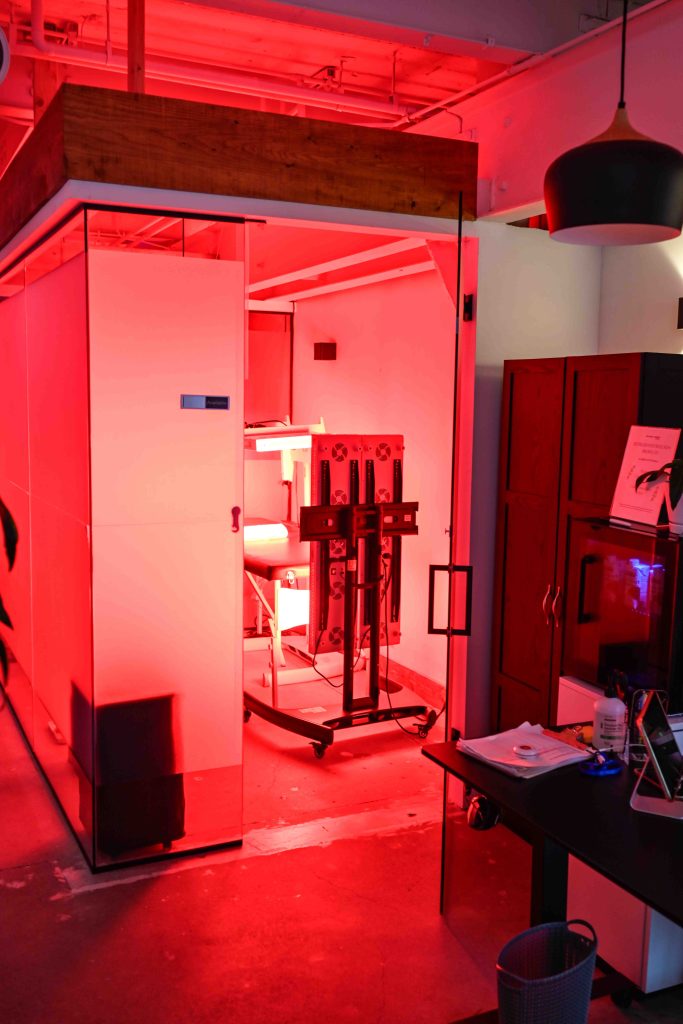
Cryotherapy has moved from sports medicine clinics and rehab centers into gyms, wellness studios, and home routines. The term now covers a wide range of cold-based treatments, from a bag of ice on a swollen ankle to whole-body sessions in chambers cooled to temperatures that can dip below minus 100 degrees Celsius. That spread has created equal parts excitement and confusion. People often lump every cold intervention together, then expect the same effects from an ice bath, a cold shower, localized ice treatment, and a three-minute whole-body cryotherapy session.
They are not the same thing, either in the way they cool the body or in the physiological response they produce.
The science is more interesting, and more nuanced, than the marketing. Cold exposure can change pain perception, alter blood flow, activate the sympathetic nervous system, raise certain stress hormones for a short period, and influence inflammation-related signaling. It may help some athletes feel fresher, and it may reduce soreness for some people after hard training. It can also feel invigorating, sharpen attention for a while, and create a pronounced mood lift. But the strength of the evidence depends heavily on the outcome being measured, the kind of cold used, the duration, the timing, and the population.
That last point matters. A professional rugby player coming off a collision-heavy match, a person with chronic pain, and a healthy office worker trying cold plunges for energy are not asking the same physiological question.
What cryotherapy actually means
In medical settings, cryotherapy traditionally refers to the therapeutic use of cold. That can include ice packs, cold-water immersion, ice massage, controlled cooling devices, and cryosurgery, where extreme cold is used to destroy abnormal tissue. In consumer wellness settings, the word usually points to either local cryotherapy, where cold air is applied to one body region, or whole-body cryotherapy, where a person stands in a chamber cooled with refrigerated air or vaporized liquid nitrogen systems for a brief exposure, often two to four minutes.
Whole-body cold exposure is the broader category. It includes cold-water immersion, ice baths, cold showers, outdoor winter swimming, and cryotherapy chambers. These methods overlap in effect, but they differ in one important physical property: water transfers heat far more efficiently than air. That means a 10 degree Celsius cold plunge cools the body very differently from a cryotherapy chamber at a much lower air temperature. The air may be dramatically colder, but the skin and deeper tissues do not necessarily lose heat in the same way or at the same rate.
This is one reason people often report that a short cryotherapy chamber session feels intense on the skin yet surprisingly tolerable, while an ice bath at temperatures that look modest on paper can feel brutally penetrating within minutes.
The first thing cold changes is the skin
When the body encounters cold, the skin acts as the front line. Cold receptors send rapid signals through the nervous system. Blood vessels near the skin constrict, a process called vasoconstriction, which reduces heat loss. Skin temperature drops quickly. Core temperature, especially during brief exposure, usually changes much less than people assume.
That distinction https://penzu.com/p/60789c19e9ed18dd explains a lot of the practical effects of cryotherapy. Many of its immediate benefits appear linked less to dramatic lowering of deep body temperature and more to changes in skin temperature, nerve signaling, and autonomic arousal. A person steps out of a chamber feeling alert, sometimes euphoric, often flushed or tingling, not because their whole body has been deeply refrigerated, but because the body has mounted a fast stress response to a sharp thermal challenge.
In sports settings, I have seen this misunderstanding play out repeatedly. Athletes often imagine they are “removing inflammation” in a literal sense, as if cold is vacuuming damage out of tissue. In reality, the cold exposure is modifying the environment in which pain, swelling, blood flow, and recovery signaling unfold. That can still be useful, but it is not magic, and the context matters.
Pain relief is one of the clearest effects
Among the more defensible uses of cryotherapy is short-term pain relief. Cold slows nerve conduction velocity, particularly in superficial nerves, and can raise the threshold at which pain signals are perceived. It also creates a strong sensory input that can compete with pain, a principle clinicians have exploited for decades with simple ice therapy.
This is why cold often helps acute sprains, bruises, or overworked joints feel better in the short term. It is also why an athlete with significant soreness may report that they can move more comfortably after a cold session. The pain reduction is real for many people, but it should not be mistaken for tissue repair. If anything, one of the practical risks is that feeling better too quickly can encourage a return to heavy loading before the tissue is ready.
There is also a useful distinction between pain reduction and performance enhancement. A sore athlete who feels better may train better the next day, but that does not mean the cold itself directly improved muscle adaptation. In some scenarios, those goals may even conflict.
Inflammation is not the villain people think it is
Cold exposure is often marketed as “anti-inflammatory,” which is partly true and partly oversimplified. Inflammation is not a single switch. It is a coordinated biological process involving immune cells, blood vessels, signaling molecules, and tissue remodeling. After hard exercise, some inflammation is part of the normal recovery and adaptation cycle. Blunting too much of that response, too often, may not always be desirable.
Research on cold-water immersion has raised this issue more clearly than the literature on cryotherapy chambers. Repeated cold immersion immediately after strength training may reduce some anabolic signaling and potentially dampen long-term muscle hypertrophy gains in certain contexts. The basic idea is intuitive once you strip away the hype: if part of training adaptation depends on a controlled stress response, routinely suppressing that response right after lifting could come with trade-offs.
That does not mean cold exposure is bad for lifters. It means timing and goal selection matter. If an athlete is in the middle of a congested competition schedule and needs to reduce soreness, preserve readiness, and perform again within 24 hours, recovery may matter more than maximizing adaptation from a single session. If a recreational lifter is trying to build as much muscle as possible over months, immediate post-lift cold immersion every time may be a poor fit.
This is where real-world judgment matters more than slogans.
What happens to circulation
Many descriptions of cryotherapy claim that blood is “pushed from the limbs to the core, then returns carrying fresh nutrients” once the session ends. There is a grain of truth in the vasoconstriction and reperfusion story, but it is often described too neatly. Blood flow does change with cold exposure. Superficial vessels constrict to conserve heat, and after rewarming there can be reactive increases in circulation. But the body is not performing a therapeutic flush in the simplistic way advertisements often suggest.
The more useful way to think about circulation is functional. Cold can reduce local swelling and fluid accumulation in certain cases. It can reduce skin blood flow. It can alter the sensation of pressure and discomfort. After the cold stimulus ends, normal warming resumes, sometimes with a marked subjective sense of heat and return. Those shifts may support symptom relief, but they should not be romanticized into a detox narrative.
Hormones, neurotransmitters, and the “I feel amazing” effect
One reason whole-body cold exposure has gained a devoted following is that many people feel noticeably better after it. More awake. More focused. In some cases, more resilient for a few hours. This effect is not imagined.
Cold exposure activates the sympathetic nervous system. Levels of catecholamines, especially norepinephrine, can rise. Endorphin-related pathways may contribute to mood changes and altered pain perception. Breathing often becomes deeper and more deliberate after the initial cold shock. Subjectively, the experience can feel cleansing, but physiologically it is better described as a brief controlled stressor followed by a rebound in alertness and affect.
That said, the response is not universal. Some people feel energized, others feel only cold and irritated, and a few feel dizzy or wiped out. Sleep quality, feeding status, anxiety level, acclimatization, and ambient environment all shape the outcome. The same two-minute exposure that leaves one person grinning can leave another tense and unpleasantly overstimulated.
People also differ in what they are seeking. For mood and alertness, a short cold shower may provide much of the same acute mental jolt as a more elaborate cryotherapy session, even if the experiences are not identical. The chamber is not automatically superior just because it is more dramatic.
The evidence in athletes is promising, but not uniform
The best-supported performance-related role for cryotherapy and other cold methods is not direct enhancement of strength or endurance in the moment. It is support for recovery between demanding efforts. Studies in athletes have found that cold exposure can reduce perceived soreness and sometimes improve recovery markers after intense exercise, especially in sports with repeated bouts, travel, and tight competition schedules.
The key phrase there is “sometimes.” Research quality varies. Protocols differ widely. One study might use a three-minute whole-body cryotherapy exposure, another a 10-minute cold-water immersion at 10 to 15 degrees Celsius, another repeated sessions over several days. Different sports, different training loads, different outcomes. It is hard to compare them cleanly.
Still, a few practical patterns tend to hold:
- Cold is often most helpful when soreness, heat, and repeated performance are the central concerns.
- Benefits tend to show up more clearly in how people feel and recover, rather than in dramatic improvements in raw performance metrics.
- The closer competition demands are packed together, the more attractive cold-based recovery becomes.
- Repeated use after every strength session may not align with long-term hypertrophy goals.
- Individual preference strongly affects compliance and perceived value.
That last point is underrated. Recovery methods only work in practice if athletes actually use them consistently and tolerate them well. Some athletes hate ice baths so much that the added stress likely outweighs the marginal benefit. Others swear by them because the ritual itself helps them downshift, feel proactive, and sleep better.
Cryotherapy chambers versus cold-water immersion
People often ask which is “better,” but better for what is the only useful response. Whole-body cryotherapy chambers are brief, dry, and logistically clean. They can be more comfortable than immersion for people who dislike getting soaked or sitting in a tub. Because the exposure is short, they fit easily into a treatment schedule. They also create a memorable sensory experience, which partly explains their popularity.
Cold-water immersion is less glamorous but better studied. Water cools the body efficiently, and protocols are easier to standardize. It is generally more accessible and less expensive than chamber-based cryotherapy. From a pure physiology standpoint, immersion is a very potent cold stimulus, especially for limbs and superficial tissues.
In practice, the choice often comes down to access, budget, tolerance, and goal. A professional team with staff, recovery space, and scheduling demands may value the speed of a chamber. A serious recreational athlete may get similar or better practical value from a cold tub or plunge setup. A rehab patient with a local flare-up may need only targeted icing, not whole-body exposure at all.
The expensive option is not automatically the most effective one.
Safety is straightforward, but not trivial
Cold exposure looks simple, which sometimes makes people casual about risk. Most healthy adults tolerate short, controlled sessions without incident, but “generally safe” is not the same as harmless. Extreme cold challenges the cardiovascular and nervous systems. It can provoke a strong blood pressure response. It can worsen symptoms in people with certain conditions. It can also create frostbite risk if protocols are sloppy or equipment fails.
Whole-body cryotherapy centers should screen for contraindications and supervise sessions carefully. People with uncontrolled hypertension, significant cardiovascular disease, severe peripheral vascular disease, cold hypersensitivity disorders, open wounds, or certain neuropathies may not be good candidates. Anyone with Raynaud-related symptoms, a history of cold urticaria, or impaired temperature sensation needs particular caution.
Cold-water immersion carries its own issues. Entering water too fast can trigger a cold shock response with rapid breathing and panic. Staying in too long can impair dexterity and coordination. In unsupervised outdoor settings, drowning risk becomes part of the equation, even for strong swimmers, because cold water changes judgment and motor control quickly.
A competent setup pays attention to a few basics:
- exposure duration
- actual temperature, not guesswork
- supervision when conditions are intense
- medical history and contraindications
- gradual acclimatization for new users
That may sound obvious, yet many problems begin when people copy advanced protocols they saw online without any respect for dose.
More cold is not automatically more therapeutic
This is one of the most common mistakes. If two minutes of cold feels invigorating, some people assume 10 minutes must be better. Sometimes it is simply harsher. Therapeutic effect depends on dose, and dose has several parts: temperature, duration, body surface area exposed, the medium used, and the person’s own physiology.
A three-minute chamber session and a 12-minute plunge do not just differ in intensity. They differ in the kind of stress they create. Leaner individuals often cool faster than larger individuals. Fat distribution changes insulation. Women and men may perceive and respond to cold differently. A person who is sleep-deprived and underfed may experience cold stress very differently from the same person on a well-rested day.
Adaptation also matters. The first exposure can feel shocking. After several weeks, the same protocol may feel manageable, even easy. That does not necessarily mean it is still producing the same marginal effect. Sometimes the body has simply become more efficient at tolerating it.
The role of cryotherapy in rehab and pain management
Outside sports recovery, cryotherapy remains a useful clinical tool when applied selectively. In rehab, local cold can help manage symptom flare-ups after aggravating activity, calm pain enough to allow movement, or reduce swelling in the early phase after injury or surgery. It is rarely the star of the program. It is an adjunct.
That is an important distinction. Skilled rehab is built around progressive loading, movement quality, confidence, and tissue-specific planning. Ice or cryotherapy may help someone participate more comfortably in that process, but it does not replace it. Patients often appreciate hearing this plainly. Cold can be valuable without being curative.
For chronic pain, the picture is mixed. Some people with osteoarthritis, tendinopathy, or overuse pain respond well to brief cold application. Others stiffen up and prefer heat. This is where individual trial, rather than ideology, should guide care. If a treatment reduces pain enough to improve activity and function without causing adverse effects, it has a place.
Why the placebo question does not negate the experience
Whenever a therapy produces an immediate, noticeable sensation, placebo effects enter the conversation. They should. Expectation influences pain, effort, and recovery perception. But the presence of placebo does not mean there is no physiological action. Cold very clearly affects skin temperature, blood vessels, nerve conduction, and autonomic tone. The real question is how much of the total benefit comes from direct physiology versus expectation, context, ritual, and attention.
In my view, that is the wrong fight. If a protocol is safe, appropriately timed, and reliably helps someone train or function better, the mechanism matters, but the lived outcome matters too. The mistake is not that expectation helps. The mistake is claiming the protocol does more than the evidence supports.
What practical use looks like
For recovery after a hard match or a period of repeated high-load training, cryotherapy can be sensible if it reduces soreness and improves readiness. For general wellness, short cold exposure may be a stimulating ritual that some people enjoy and maintain. For strength adaptation, caution with immediate post-session cold makes sense if muscle growth is the primary goal. For acute injuries, local cold still earns its place when pain and swelling need to be managed.
The best protocols are usually less dramatic than social media would suggest. A short exposure, used with a clear purpose, tends to outperform heroic suffering done for vague reasons. Cold is a tool. It is not a personality trait, and it does not need to become one.
That is the deeper science behind cryotherapy and whole-body cold exposure. The body reads cold as a meaningful stressor, then responds through the nervous system, circulation, and perception in ways that can be useful. Sometimes the value lies in symptom relief. Sometimes it lies in helping an athlete get through a brutal competition block. Sometimes it is simply the mental reset that comes from doing something sharp, controlled, and unmistakably physical.
Useful science rarely offers a single verdict. It offers boundaries, probabilities, and trade-offs. Cryotherapy fits that pattern perfectly. It can help, especially when the goal is clear and the dose is sensible. It can disappoint when it is sold as a cure-all. And like most effective interventions, it works best when someone understands not just what it does, but when not to use it.
SDBody Mission Hills
Address: 1747 Hancock St Ste C, San Diego, CA 92101
Phone number: +16197720252
FAQ About Cryotherapy
What does cryotherapy do for your body?
Cryotherapy exposes the body to extremely cold temperatures for a few minutes to trigger natural healing and recovery responses.
What are the negatives of cryotherapy?
The primary negatives of cryotherapy include skin burns, frostbite, temporary nerve irritation, and temporary spikes in blood pressure caused by extreme cold.
How much does cryotherapy typically cost?
A single session of non-medical cryotherapy typically costs between $40 and $100. However, prices vary significantly depending on the specific type of treatment, your location, and whether you purchase a membership or package.