What Recovery Looks Like After Body Contouring Farmington Hills
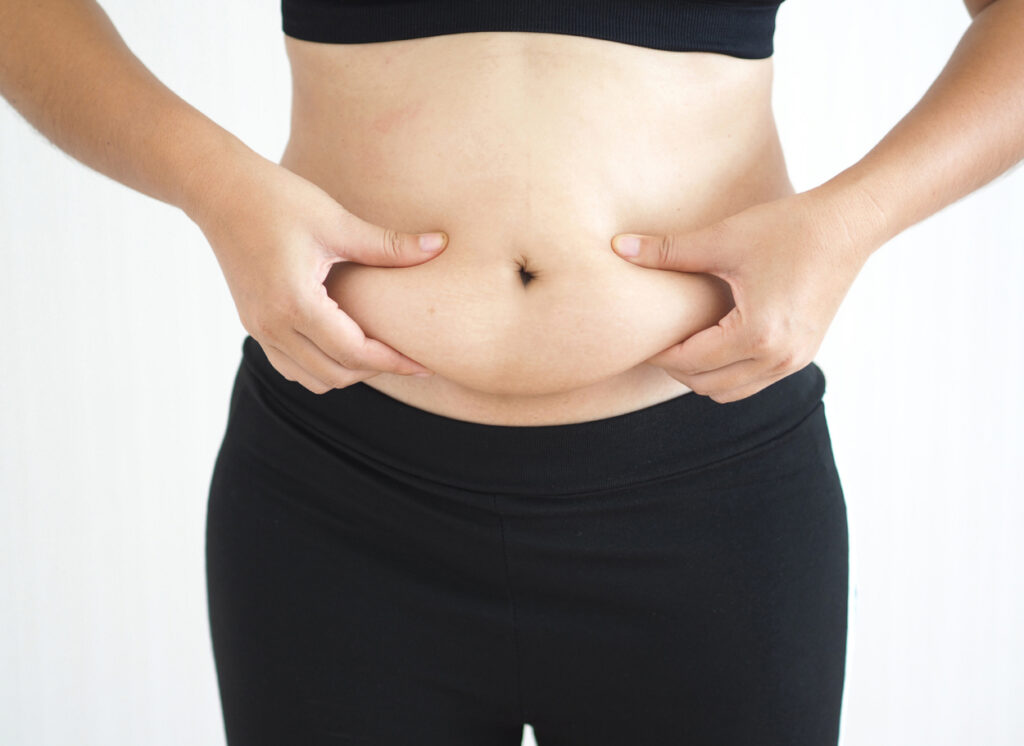
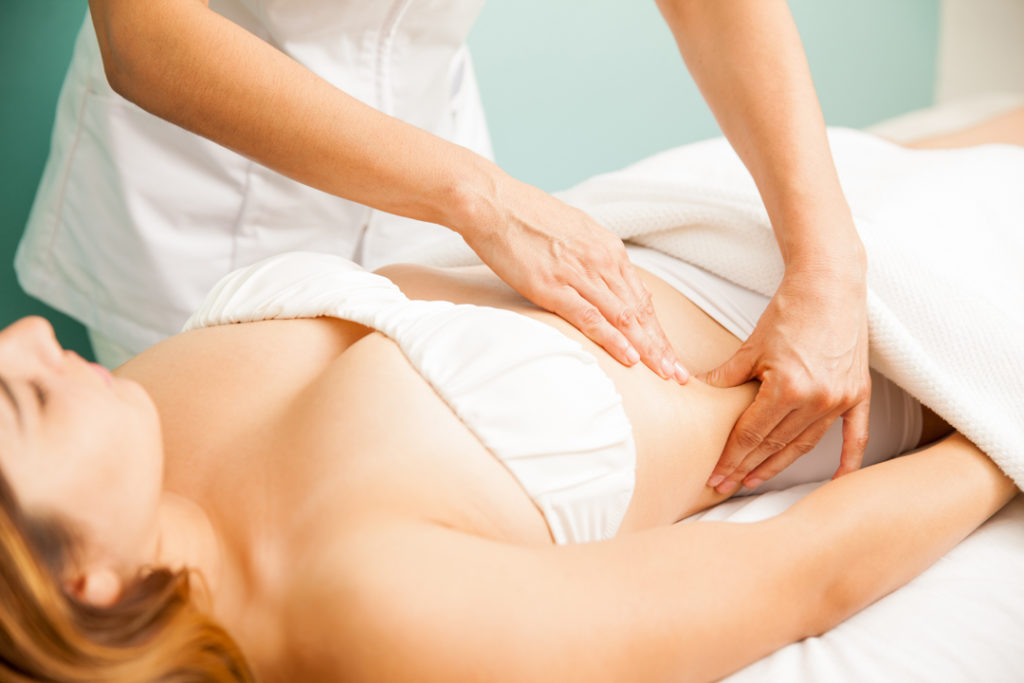
Recovery is the part people tend to underestimate.
Most patients spend weeks, sometimes months, thinking through the procedure itself. They compare techniques, review before-and-after photos, ask about scars, and picture the final result in a favorite pair of jeans or a fitted dress. Then surgery happens, and the focus shifts fast. The question is no longer, “What will I look like?” It becomes, “What is normal right now, and how do I get through this well?”
That is especially true with body contouring. Whether someone has had liposuction, a tummy tuck, skin removal after weight loss, or a combined procedure, the recovery period is not just downtime. It is an active phase of healing that shapes comfort, confidence, mobility, and often the quality of the final result.
For patients considering Body Contouring Farmington Hills, it helps to know what recovery actually feels like in real life. Not the polished version, not the one-line answer, but the day-by-day and week-by-week experience that matters once you are home.
The first surprise is how uneven recovery can feel
People often expect healing to move in a straight line. It usually does not.
One day you may feel steady, mobile, and relieved to be through the hardest part. The next day you may feel swollen, tight, emotional, and tired for no obvious reason. That swing is common. Surgical recovery has rhythms. Swelling builds and recedes. Energy returns in stages. Sleep improves, then gets disrupted again because you cannot find a comfortable position.
This uneven pattern can make people worry that something is wrong when, in many cases, the body is simply doing what bodies do after surgery. Tissue has been lifted, tightened, shaped, suctioned, or removed. The lymphatic system is recalibrating. Nerves are waking up. Bruising changes color and travels. Areas that were numb may start to tingle or itch. Those sensations can be strange if you are not prepared for them.
The patients who handle recovery best are not always the toughest ones. They are usually the ones who understand that progress is rarely linear and who judge healing over a week, not over a single afternoon.
The first 72 hours tend to be the most demanding
The immediate postoperative period is where planning pays off.
During the first few days, most patients feel some combination of soreness, tightness, drainage, grogginess, and restricted movement. Pain levels vary by procedure and by person. Liposuction alone often brings more soreness and burning than people expect, similar to an intense full-body bruise. A tummy tuck or lower body lift adds another layer because tightening the abdominal wall can make standing fully upright difficult at first.
This is also when simple household details matter more than people realize. Getting in and out of bed can be awkward. Reaching for a glass from a high cabinet may be harder than expected. Sitting down on a low toilet or soft couch may suddenly feel like a complicated task. If a patient lives alone, or with young children, the first few days can become much more stressful without support.
A well-prepared recovery space usually makes a visible difference. The best setups are not elaborate. They are practical. Medications are easy to reach. Water is nearby. Extra pillows are available for positioning. Phone chargers are in place. Compression garments, gauze, and clean loose clothing are ready before surgery day.
This is also the period when people are most likely to wonder whether they made the right decision, especially if they feel swollen and look nothing like their final result. That emotional dip is common. Few people feel glamorous while managing drains, sleeping in a reclined position, and moving at half speed.
Swelling is not a minor side effect, it is a central part of recovery
If there is one thing that surprises even well-informed patients, it is swelling.
Swelling after body contouring can be substantial. It can hide contours, distort symmetry temporarily, and make clothing fit strangely for weeks. In some patients it lingers in subtle ways for several months, particularly toward the end of the day or after long periods of standing. The lower abdomen, flanks, and areas treated with liposuction are common places for this.
The frustrating part is that swelling does not always match the size of the procedure. A patient may have a moderate amount of liposuction yet feel remarkably puffy and stiff. Another may have a larger operation and recover with less visible swelling than expected. The body’s inflammatory response is individual.
Compression garments often help, but they are not magic. They provide support, reduce fluid buildup to a degree, and can improve comfort. They can also be hot, awkward, and annoying, especially when worn around the clock in the first phase of recovery. Patients usually tolerate them better when they understand why they matter and when they know that some trial and error is normal. A garment that folds, digs in, or fits poorly can create as much misery as benefit.
One practical point worth emphasizing is that swelling changes throughout the day. Morning can look dramatically better than evening. Someone may think the result has worsened by dinner, when in fact the body is simply responding to gravity, activity, and fluid shifts. That pattern alone reassures many patients.
Bruising, numbness, and firmness can last longer than expected
Television and social media have trained people to expect a rapid reveal. Real recovery is slower.
Bruising often looks dramatic before it looks better. It can move downward as gravity pulls blood products through the tissue. Yellowing and patchiness are usually part of normal resolution. Numbness is another frequent surprise. Patients may feel less sensation around incisions, in the lower abdomen, or in areas where tissue was undermined or suctioned. Some sensation returns quickly. Some areas take months to normalize, and small patches may never feel exactly as they did before.
Firmness under the skin is also common, especially after liposuction. Patients sometimes describe it as ropey, lumpy, or unusually dense. Early on, that texture does not necessarily mean a bad result. Internal healing can feel irregular before it smooths https://maps.app.goo.gl/C7R83h4BFVWygmYv7 out. Scar tissue formation, postoperative swelling, and tissue adherence all influence how the area feels by hand.
That said, not every lump should be ignored. This is where follow-up care matters. An experienced surgeon can tell the difference between expected firmness and something that needs closer attention, such as a fluid collection or problematic scar development.
Mobility matters more than bed rest
Many patients assume the main job after surgery is to stay still. Rest matters, but complete inactivity is rarely the goal.
Early walking is one of the most useful parts of recovery. That does not mean power walking through the neighborhood the day after surgery. It means short, careful movement around the house, frequent position changes, and enough mobility to support circulation and reduce stiffness. Patients who stay frozen in one position often feel worse, not better.
The challenge is finding the middle ground. Too little movement can leave you sore, constipated, sluggish, and more uncomfortable. Too much movement too soon can increase swelling, fatigue, and pain. Some patients feel surprisingly good around day five or six and decide to “catch up” on chores. They clean the kitchen, answer every errand, or spend an afternoon on their feet. The next day they feel like they took several steps backward.
That rebound is common. Recovery rewards restraint.
The timeline people want is rarely the timeline the body follows
Patients understandably ask, “When will I be back to normal?” The answer depends on the procedure, the extent of surgery, age, baseline fitness, general health, and how demanding daily life is.
A person with a desk job after limited liposuction may feel capable of light work within a week, though still visibly swollen and sore. Someone recovering from an abdominoplasty with muscle repair may need a longer runway before sitting comfortably for a full workday or commuting without strain. A parent caring for toddlers may find the functional recovery harder than someone with a quieter home environment, even if both had the same surgery.
A realistic way to think about recovery is in phases rather than dates.
- The first week is usually about pain control, hydration, gentle movement, and getting through the most dependent stage.
- Weeks two and three often bring better mobility, less bruising, and more independence, but swelling and fatigue still limit stamina.
- Around one to two months, many patients feel largely back in public life, though exercise restrictions, residual numbness, and contour changes may still be evolving.
- Final refinement often continues for several months, especially after larger contouring procedures.
Those ranges are broad because they need to be. Anyone who promises that every patient will be “fully recovered” by a specific day is oversimplifying.
The emotional side of healing is real, even for prepared patients
Recovery is physical, but it is also psychological.
Body contouring is deeply personal. People pursue it after major weight loss, after pregnancy, after years of discomfort in their own skin, or after reaching a milestone they fought hard to achieve. When the procedure is over, many expect relief to arrive immediately. Instead, there can be a strange in-between period where the old body is gone, the final result is not visible yet, and the person feels vulnerable, swollen, and dependent.
That emotional dip often catches high-functioning patients off guard. They are used to managing everything. Suddenly they need help standing up comfortably, need someone else to drive, or feel exhausted by a shower. That loss of independence can hit harder than the physical pain.
I have seen patients become discouraged not because anything was wrong, but because they believed they should be doing better by day four or day ten. The comparison trap is strong here. One friend looked amazing after her procedure in a week. Someone online was back at brunch in shapewear by day six. Those stories are incomplete at best and misleading at worst.
A steadier approach is to compare yourself only to your own prior day or prior week. Are you walking more easily? Sleeping a little longer? Needing less medication? Feeling more stable getting in and out of a chair? Those are real wins, and they are usually better measures of progress than appearance in the mirror during the early phase.
Incision care and scar expectations need a practical mindset
Scars matter to patients, and they should. Body contouring almost always involves a trade-off between improved shape and visible incisions. Recovery includes learning how to care for those incisions without obsessing over every small change.
Early incisions rarely look elegant. They may be pink, raised, puckered, or uneven. Small scabs, itching, and localized firmness can be part of normal healing. What matters most in the beginning is keeping the area clean, following the surgeon’s instructions, and avoiding the temptation to apply random creams or home remedies too early.
Scar maturation takes time. A line that looks angry at six weeks can soften significantly over the following months. Tension on the closure, skin quality, genetics, and sun exposure all influence the final appearance. So does patience. The best scar care is often consistent, simple, and boring.
For many patients in Body Contouring Farmington Hills practices, the most important expectation to set is that scars are part of the bargain, but they are not the whole story. When contour improves, clothing fits better, rashes under folds resolve, and posture feels lighter, many patients decide the scar trade is well worth it.
Nutrition, hydration, and digestion have more impact than people expect
There is a quiet reality of recovery that does not get enough attention: digestion can be miserable after surgery.
Anesthesia, reduced mobility, pain medication, dehydration, and a disrupted routine can lead to bloating and constipation. After abdominal procedures, that discomfort can feel worse than the incision itself. Patients sometimes mistake postoperative bloating for a poor aesthetic result, when in fact they are simply backed up and inflamed.
Eating lightly but regularly, drinking enough fluids, and following postoperative guidance on bowel support can make recovery significantly easier. This is not the time for extreme dieting. The body needs protein, calories, and hydration to heal. Restricting food aggressively in hopes of “showing off the result faster” usually backfires. Patients feel weaker, recover less smoothly, and may hold onto stress-related swelling longer.
Alcohol is another issue people try to negotiate with themselves. Early on, it tends to be a poor bargain. It can worsen dehydration, interact with medications, and increase swelling. A short period of restraint is usually well worth it.
Sleep is harder than most people plan for
Even patients with manageable pain can struggle because they are tired and cannot sleep well.
Compression garments, limited positions, drain management, soreness, and the simple stress of being postoperative all interfere with rest. After abdominal contouring, sleeping slightly flexed may be more comfortable at first, but not everyone is used to that posture. Side sleepers often have the hardest adjustment.
Poor sleep makes everything feel worse. It lowers pain tolerance, amplifies emotions, and slows the sense of momentum people need during recovery. This is one reason support at home matters so much. If someone else can help with meals, pets, children, or basic household tasks, the patient has a real chance to rest instead of merely surviving the day.
One of the most practical pieces of advice I give is to expect fragmented sleep for a while and not panic over it. A few rough nights do not mean healing has gone off course. They mean your body is healing after surgery.
Returning to exercise takes judgment, not just motivation
The patients most eager to get back to the gym are often the ones who need the most reminders to slow down.
Fitness-minded patients can become restless once pain eases. They miss routine, stress relief, and the sense of control that exercise provides. But internal healing lasts longer than external soreness. Just because a walk feels easy does not mean core-intensive movement, lifting, or impact exercise is safe yet.
This is where discipline has to look different. Instead of pushing harder, discipline means following restrictions even when you feel capable of more. The cost of returning too soon can be increased swelling, delayed healing, widened scars, and in some procedures, compromise of the repair itself.
The progression back should be individualized, but patients generally do best when they view exercise as a gradual return to function rather than a test of toughness.
What deserves a call to the surgeon
Most recovery concerns are ordinary. Some are not, and patients should never feel hesitant about reaching out.
The right threshold for calling is lower than many people think. Good postoperative care depends on communication, not stoicism. A brief message or photo can often clarify whether something is expected.
- Fever, worsening redness, or drainage with a concerning odor should be reported.
- Shortness of breath, chest pain, or calf pain warrants urgent medical attention.
- Sudden major swelling on one side, severe uncontrolled pain, or a rapidly expanding area of firmness should not be brushed off.
- Persistent nausea, inability to keep fluids down, or signs of dehydration matter more than people realize.
- Any question that feels significant to the patient is worth asking, even if it turns out to be normal.
The goal is not to turn every small ache into an emergency. It is to avoid the opposite problem, where someone minimizes a real issue because they do not want to be bothersome.
The social recovery is its own adjustment
There is also a less discussed part of healing: deciding how public or private to be about it.
Some patients are open about having surgery. Others share only with a partner or close friend. Both approaches are valid, but each creates different pressures. If no one knows, it may be harder to explain why you are moving slowly, skipping events, or wearing compression under your clothes. If everyone knows, you may feel exposed to comments, curiosity, or unhelpful opinions during a vulnerable time.
Work can add another layer. Even when someone returns on schedule, they may not feel fully themselves. Sitting upright all day may be tiring. Concentration may lag. Swelling may increase by afternoon. It helps when patients build margin into their plans instead of assuming the first day back will feel normal.
When the result starts to feel real
There is usually a point, often later than patients expect, when the recovery phase stops dominating every thought.
For some, it happens the first time they put on clothing that fits smoothly without bunching at the waist or pulling across the lower abdomen. For others, it is when they catch their profile in the mirror and realize a longstanding bulge or fold is gone. After post-weight-loss contouring, it may be the simple relief of skin no longer rubbing, pulling, or trapping moisture.
That moment does not always arrive with fanfare. Sometimes it is quiet. A patient notices they are standing straighter. They stop planning their outfit around concealment. They walk through the day without adjusting, tugging, or thinking about the area at all.
That is when the trade-offs start to make sense.
A realistic expectation is better than a perfect fantasy
The strongest recoveries usually start with realistic expectations. Not pessimistic ones, just grounded ones.
Recovery after body contouring is not usually elegant. It is a period of swelling, patience, restricted movement, and gradual payoff. It asks for help, humility, and a willingness to let the body heal at its own pace. The people who do best are not those who avoid every difficult day. They are the ones who prepare for those days, keep perspective, and stay in communication with their surgeon.
For anyone considering Body Contouring Farmington Hills, the most useful question may not be, “How fast can I recover?” It may be, “How well can I set myself up to heal?” Those are not the same question, and the second one tends to lead to better outcomes.
A good recovery is rarely dramatic. It is steady. It looks like walking a little farther each day, needing less help, sleeping better, swelling less, and trusting the process enough not to judge it too early. It is not glamorous, but it is where the real work of transformation happens.
Aesthetic Plastic Surgery & Laser Center, Michelle Hardaway M.D.
Address: 27920 Orchard Lake Rd, Farmington Hills, MI 48334
Phone number: +12482211957
FAQ About Body Contouring Farmington Hills
What does body contouring actually do?
Body contouring (or body sculpting) eliminates stubborn localized fat, tightens loose, sagging skin, and reshapes your silhouette. It is not a weight-loss tool, but rather a cosmetic procedure used to refine and tone specific trouble spots after major weight loss, pregnancy, or aging.
How much does body contouring usually cost?
The total cost of body contouring usually ranges from $2,000 to $25,000+ depending entirely on whether you choose non-surgical sessions or major surgical procedures.
Because "body contouring" covers everything from simple fat-freezing to comprehensive post-weight-loss surgeries, pricing is heavily categorized by the method used.
What is the best type of body contouring?
Liposuction is a huge topic and worth discussing in more detail, but in terms of body contouring and sculpting, nothing does the job better than liposuction, particularly VASER liposuction.